The little cottage that outlasted a resort empire
Built in 1862, the Sam Brannan Cottage at 109 Wapoo Ave. is the last of 25 Hot Springs Resort guest cottages still on its original site.
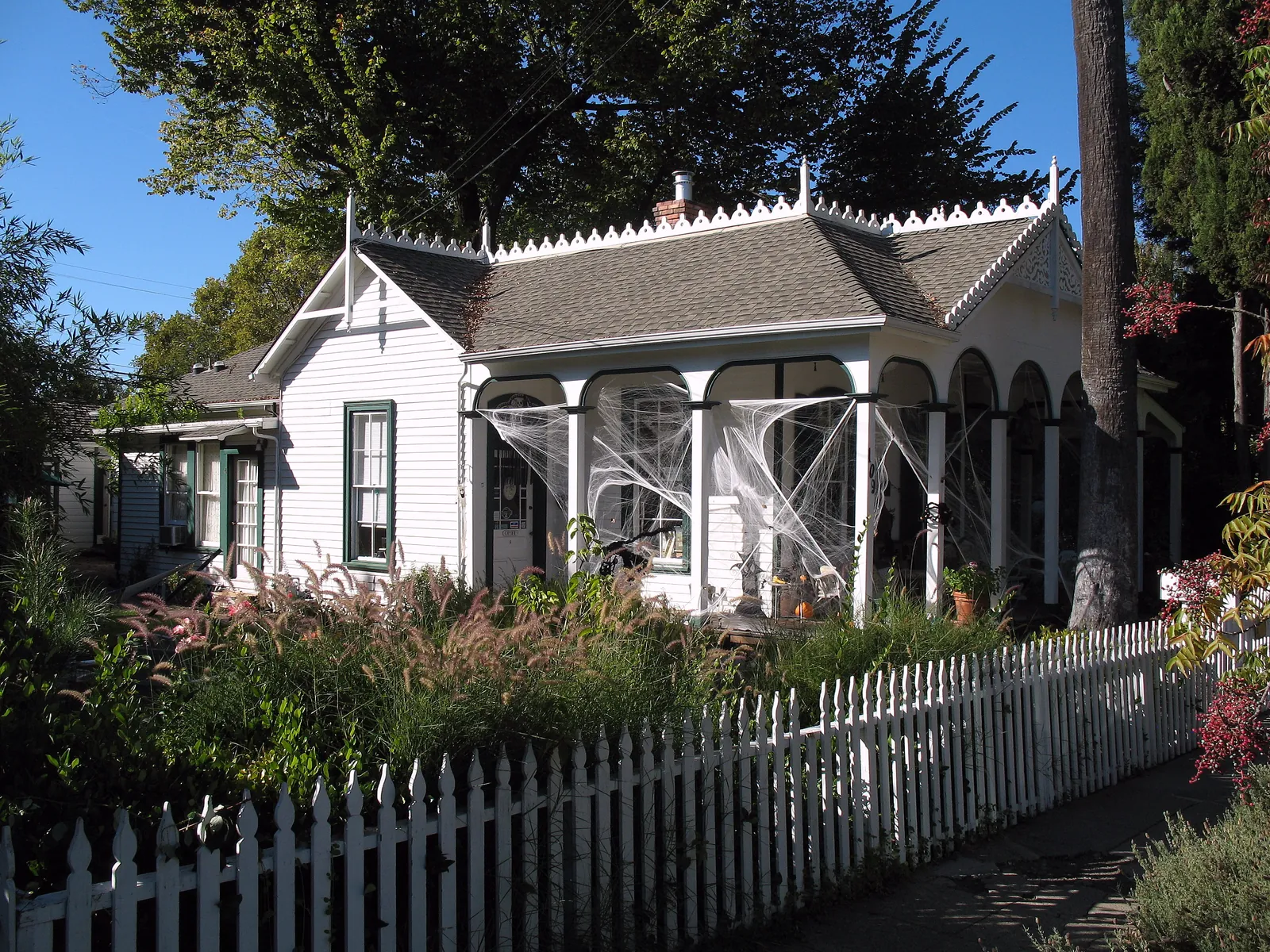
The cottage at 109 Wapoo Ave., built in 1862, is the last of the 25 guest cottages of Sam Brannan's Calistoga Hot Springs Resort remaining on its original site. That is the finding of its National Register of Historic Places nomination, which calls it significant as the surviving example of the resort that made Calistoga.
Twenty-five guest cottages once surrounded the Hot Springs Resort. Brannan used two designs; the cottage at 109 Wapoo is the only remaining example of its type. Two cottages of the other type survive, but both were moved from their original sites: one is now a private residence on Cedar Street, and the other was restored and moved to Washington Street, where it stands as part of the Sharpsteen Museum and is designated California Registered Historical Landmark No. 685.
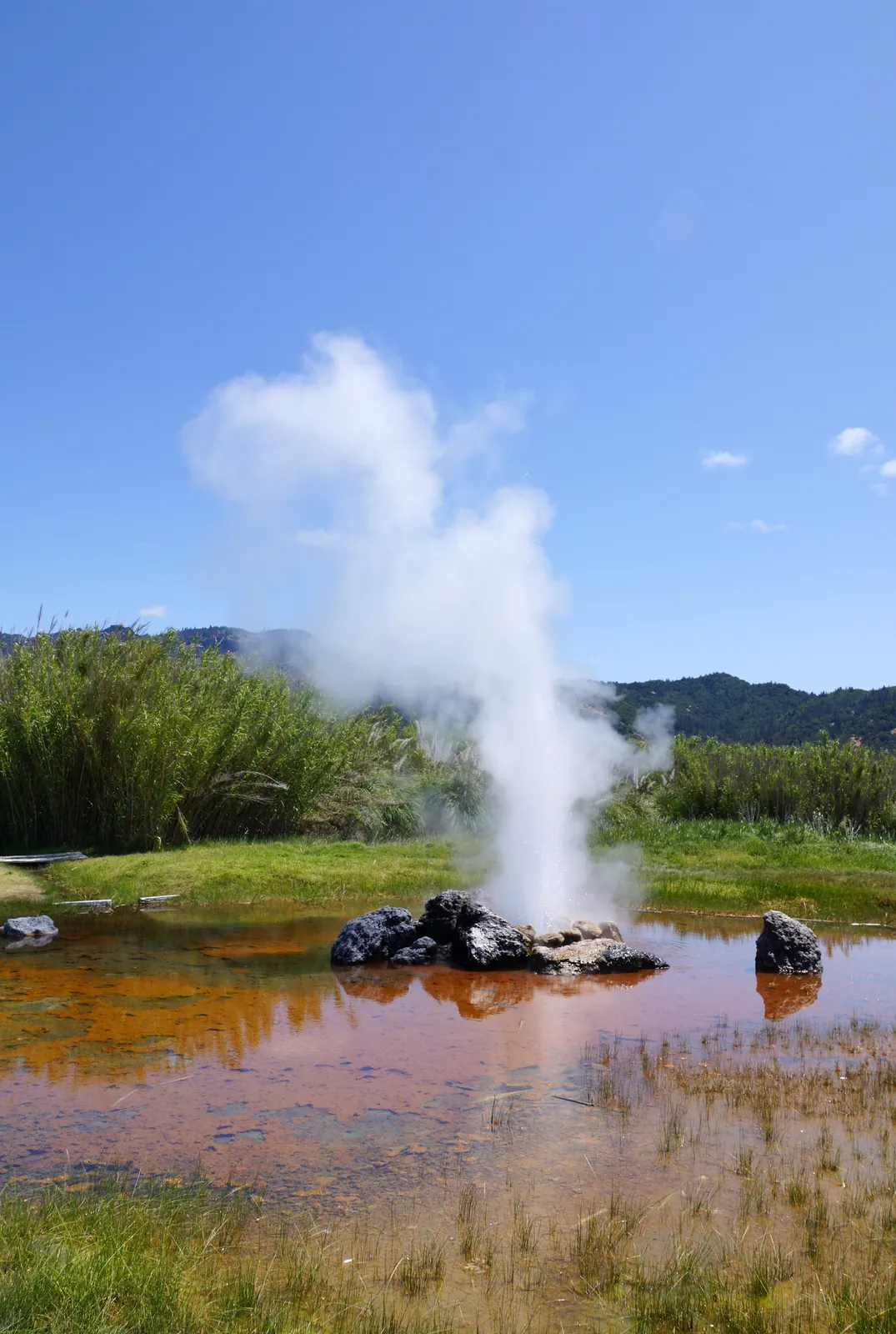
Brannan bought the story wholesale. In 1852 he first saw what was then called Indian Hot Springs. In 1859 he purchased the 2,000 acres surrounding the springs and named the place Calistoga, joining California and Saratoga, New York's famous mineral water spa. By 1862 the resort was open, and Calistoga grew quickly around the service industry it created and the quicksilver mining nearby.
In its prime the resort offered a large hot springs bath house, bathing pavilions, landscaped parks, a druidical temple built of petrified wood from the nearby Petrified Forest, a roller skating rink, a dance pavilion, a hotel with dining room, an observatory, and a tree-lined race track with stables where Leland Stanford, James Lick, Mark Hopkins and William Randolph Hearst kept horses.
Robert Louis Stevenson spent the summer of 1880 in the Calistoga area and described the Hot Springs guest cottages in The Silverado Squatters. He wrote of a lawn surrounded by a system of little five-room cottages, each with a veranda and a weedy palm before the door. The nomination notes the cottage still carries its weedy palm, as Stevenson described it.
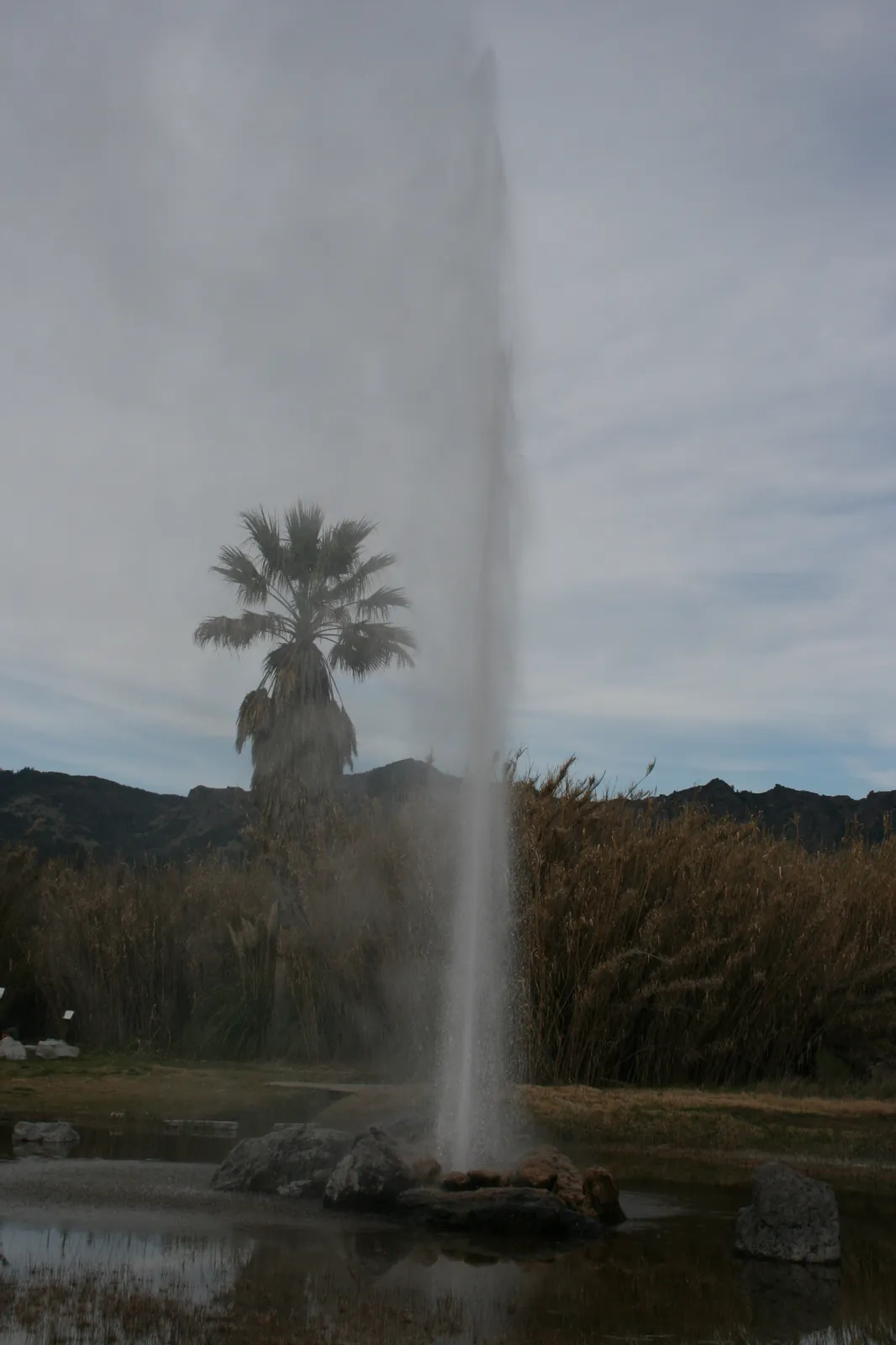
The cottage itself was a 22-by-41-foot wood-frame building with a front gable facing the street, a wraparound porch on nine square posts, and clapboard siding. In 1905 it was altered: the roof cresting and finials came off, the porch was extended 44 feet along the north side, and a 34-by-13-foot addition went up on the west side to house two small apartments.
Brannan's own arc was shorter than his resort's. He profited enormously from the Gold Rush, built the resort with that fortune, and lost it: his drinking and financial ruin relieved him of his fame, and he died in 1889. Stanford retained ownership of the resort when Brannan's fortune failed in 1875 and held it until 1919.
The cottage served as a rooming house with hot sulphur baths from about 1925 to 1955, and as an apartment house after that. The nomination, prepared in 1982, found that although the structure was altered, its basic architectural features remained or could be reclaimed by rehabilitation.
None to date. The Sun corrects errors promptly and transparently. Read our corrections policy.